
A patch-dated Deadlock item tier list by price bracket: the 800, 1,600, 3,200 and 6,400 buys that earn their slots, the ones that do not, and why.
Deadlock Item Tier List: What to Buy at Every Price
Deadlock's shop does not have rare items. It has four price brackets, and every item in a bracket costs exactly the same: 800, 1,600, 3,200 or 6,400 souls. That makes a tier list a different exercise from most games. You are not asking "is this item strong"; you are asking "at this bracket, with these twelve slots, does this item beat the alternatives I could buy for the same money".
This list is dated to the 31 October 2026 patch, after the Halloween balance pass. It ranks items by what they do for the souls, not by rarity, and it says plainly where an opinion is an opinion.
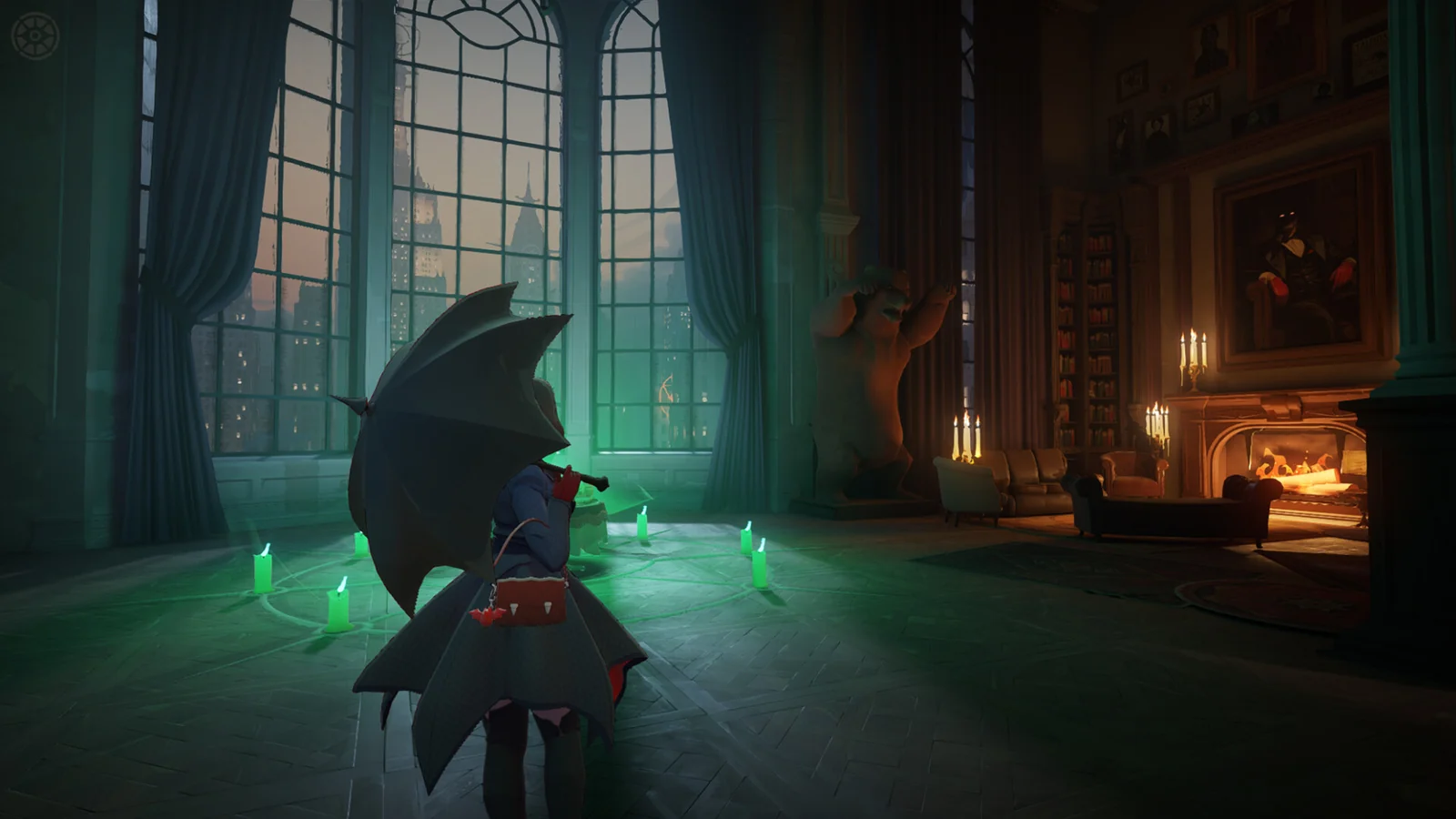
Four brackets, four lists. An item being top of its bracket does not mean it belongs in every build - it means that if you are buying in that bracket, it is the safest use of the souls. The item system page explains slots, categories and the investment bonus in full.
If you only care about the Weapon bracket, the Deadlock best weapons guide ranks the six gun items by job and timing.
The four criteria
Every ranking below comes from four things you can check in the shop, not from win rates - Valve has never published per-item win rates.
Official source: Deadlock on Steam lists the four tiers and their prices; Gameplay Update - 05-22-2026 sets the investment-bonus lines; City Never Sleeps documents the 2026 shop controls referenced below.
- Slot cost. You start with 9 slots and unlock 3 more by destroying enemy Walkers, so the ceiling is 12. A cheap item that stays useful all game earns its slot; a cheap item you sell at minute 20 does not.
- Breakpoint value. Spending inside a category feeds that category's investment bonus, and the lines sit at 4.8k, 6.4k, 8k, 11.2k and 16k souls as of the May 22, 2026 patch. An item that leaves you 200 souls short of a line is worth less than one that crosses it.
- Upgrade path. Many Tier 2 and above items list a cheaper item as a component. Buying the component first is only efficient if you actually intend to upgrade it.
- Active or passive. Actives demand a keybind and a moment of attention. In a game where lane pressure never stops, a passive that always works often beats a stronger active you forget to press.
Tier 1 (800 souls): the bracket that decides lanes
| Tier | Items | Why |
|---|---|---|
| S | Grit, Extended Magazine, Extra Spirit | Cheap, universal, and each feeds a category you were going to spend in anyway |
| A | Healing Rite, Rusted Barrel | Lane sustain and early pressure, both still relevant at 10 minutes |
| B | Golden Goose Egg | Economy play; strong if you are already ahead, weak from behind |
| C | Niche actives that need a specific hero kit | Fine on the right hero, dead weight on the wrong one |
Grit is the standout because its numbers are published: 200 Barrier for 4 seconds on the active, 1 Out of Combat Regen innate, 60 second cooldown, and it upgrades into Weapon Shielding, Spirit Shielding, Reactive Barrier and Guardian Ward. That is a defensive item that survives into the late game through its upgrade tree rather than being sold.
Extended Magazine and Extra Spirit are the "I will need this later anyway" buys. Neither wins a lane on its own, and both are components of things you want.
Tier 2 (1,600 souls): where builds start to diverge
| Tier | Items | Why |
|---|---|---|
| S | Stalker, Cold Front, Slowing Hex | Reliable value in the mid-game window when fights start over objectives |
| A | Fleetfoot, Split Shot, Return Fire | Movement, wave pressure and retaliation, all with clear use cases |
| B | Items that only pay off with a specific stat line | Correct on two heroes, wasted souls on the rest |
Stalker was renamed from Backstabber on March 6, 2026, and the rename is a useful reminder that item identities change between patches. If a build tells you to buy Backstabber, the build is old.
This is also the bracket where the "buy toward the line" rule starts to bite: two 1,600 items put you at 3,200 in a category, which is one Tier 3 away from the 4.8k line. The souls economy page covers the income side of that maths.
Tier 3 (3,200 souls): build-defining, and where most lists go wrong
| Tier | Items | Why |
|---|---|---|
| S | Alchemical Fire, Knockdown, Decay | Each changes what the enemy team can do, not just your numbers |
| A | Heroic Aura, Healing Nova | Team-scale value that scales with coordination |
| B | Single-target burst items | Good on assassins, poor in a 3-lane grind |
Tier 3 is where a tier list has to admit it is describing a role rather than a game. Knockdown is close to mandatory on heroes that need to hold a target still; it is close to useless on heroes that already have that in their kit. Decay answers healing, which is why its value tracks the enemy composition more than your own build.
The honest rule: at 3,200 you should be buying the item that answers the problem in front of you, not the item with the best average.
Tier 4 (6,400 souls): match-shaping, and the slot squeeze
| Tier | Items | Why |
|---|---|---|
| S | Refresher, Unstoppable, Arctic Blast | Each one changes a fight outcome on its own |
| A | Colossus | Enormous on the heroes that want to stand still and trade |
| B | Anything you buy out of habit | At 6,400 the opportunity cost is a whole other item |
At this bracket the slot ceiling is the real constraint. With 12 slots and three categories competing, a Tier 4 purchase usually means selling something, and the sell priority system added in the 2025 shop rework exists precisely because players were doing that badly.
Why there is no single "best item"
Three reasons, and they are structural rather than coy:
- Valve has not published item win rates. Any list claiming to be data-driven is using third-party samples or nothing.
- The investment bonus is deliberately non-linear. Valve's own patch note says maxing one tree is not optimal bonus-wise, which means the best item depends on what you already spent.
- Patches move items between brackets of usefulness. The Halloween patch on 31 October 2026 is the most recent example; the patch notes page tracks what changed.
How to use this list in a real match
- Pick your category split first. Decide whether this game is a Weapon game, a Spirit game or a split, then buy within it.
- Buy the component, not the dream. If a Tier 3 item lists a Tier 1 component, buy the component early and upgrade when the souls arrive.
- Check the line before you shop. If you are at 4.6k in a category, one 800 item is worth more than it looks.
- Sell at the third Walker, not before. Extra slots arrive with Walker kills; selling early just leaves you weaker in the window where fights matter.
The builds page turns this into per-archetype spending orders, and the first matches guide covers the opening ten minutes where most of these decisions are actually made.
FAQ
What is the best item in Deadlock? There is no single best item. At 800 souls Grit is the most broadly useful; at 6,400 Refresher and Unstoppable change the most fights.
Are tier lists official? No. Valve has never published item win rates or an official ranking. This list is dated opinion built on published prices, slots and patch changes.
Should I max one category? No. Valve's own patch note says maxing a single tree is not optimal for the investment bonus.
How many items can I hold? Twelve at most: nine from the start, three more unlocked by destroying enemy Walkers.
Do items change between patches? Yes. Stalker was renamed from Backstabber, Grit was added in 2026, and Buff Containers were reworked on September 29, 2026.
More Deadlock Guides
What to actually do in your first three Deadlock matches: secure orbs in the first ten minutes, buy the cheap item, learn the heavy melee timing.
The five most forgiving Deadlock heroes for new players, why each one works, and the mistakes to avoid in your first Standard matches.
Which Deadlock heroes win lanes in October 2026, ranked by lane job - trade, sustain, wave clear and kill pressure - with no invented win rates.
Valve's Sept 29, 2026 major patch: rebuilt map and four new districts, Haunts replacing neutral camps, The Broker, six voted heroes, HUD and QoL work.
Deadlock has no redeem codes, no key field and no hero unlock codes. Here is what people mistake for codes, what actually grants access, and what to avoid.
What the connecting to network message means in Deadlock, how to check whether servers are down, and the local fixes worth trying in order.
Startup crashes, random freezes mid-wave, black screens and the access-violation crash - an ordered fix list, cheapest step first.
Deadlock's Halloween 2026 event runs through November 2: break cauldrons with a Heavy Melee for Candy and Sugar Rush, and the Oct 31 balance patch.